Role
Solo Product Designer / Creative Director
Domain
E-Commerce, Consumer Health Tech, Brand Localization
Platform
Web
Timeline
2016 – 2017
Team
Business Goals
- Establish Yunmai as a credible wellness brand in the North American market
- Drive conversion on a Shopify e-commerce platform
- Localize the mobile app experience for Western wellness users
- Launch five distinct product lines (Yunmai 2, Color, Premium, Mini, SE) under a single coherent brand identity
Research & Discovery
US wearable market growth was slowing
US adult wearable users, millions — per a Dec 2016 eMarketer report
Growth was decelerating year over year — the category was maturing, and differentiation mattered more than ever.
Source: eMarketer, Dec 2016. 2015–2016 are reported figures; 2017–2020 (dashed) are eMarketer's forecast made at the time.
A crowded, polarized field
Brand awareness vs. price
Yunmai entered as a low-price, low-awareness newcomer — the design had to do the work that brand recognition usually does.
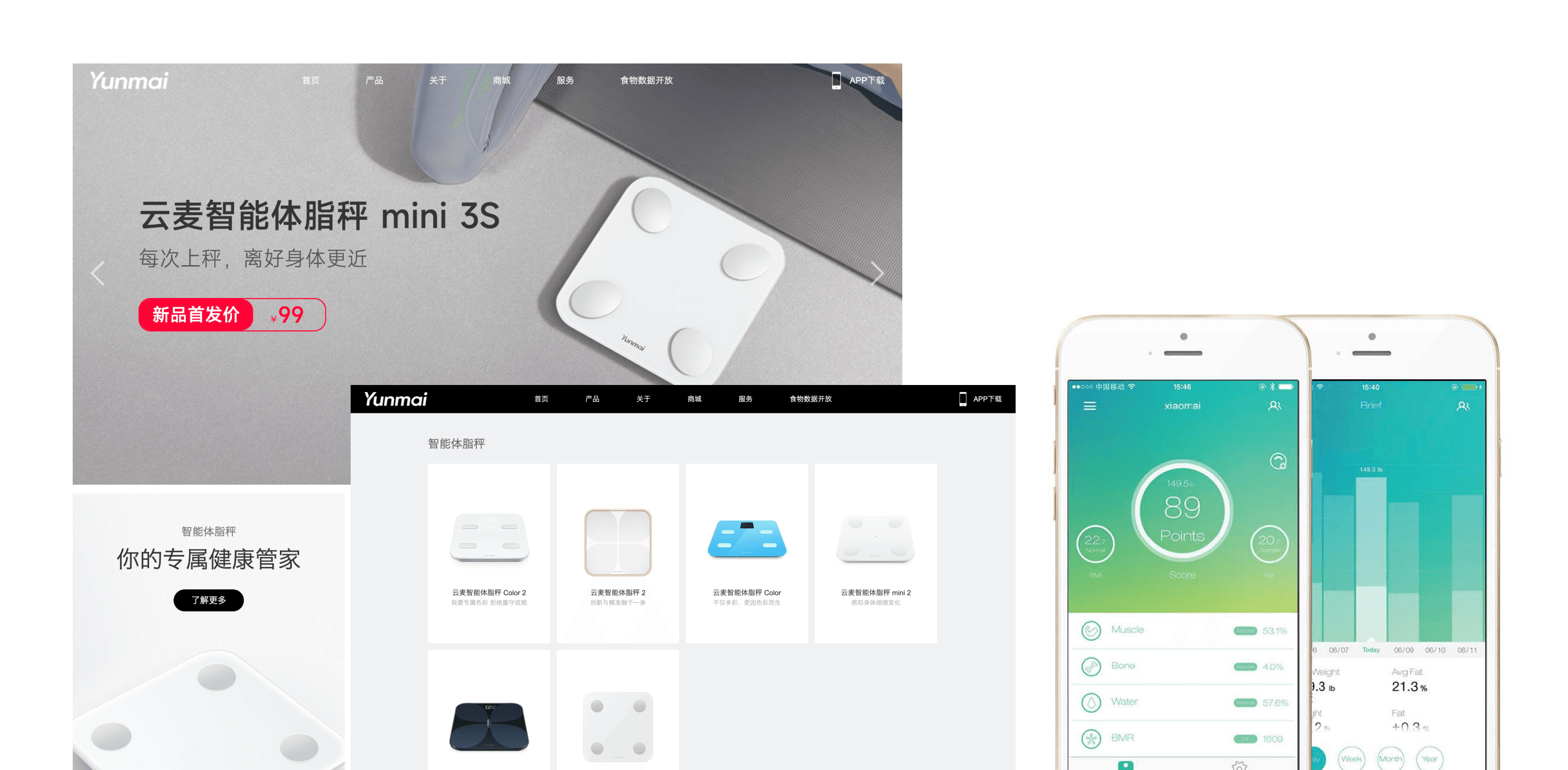
No Brand Familiarity
First-time US customers had no existing relationship with Yunmai to draw on — every interaction had to earn trust from zero.
Product-First, Not Brand-First
The website effectively introduced product categories and specs, but lacked the storytelling to communicate purpose, values, or the distinct personality of each product. Users got information, but not inspiration or connection — transactional, not engaging.
A Tone That Read as Judgmental
US customers consistently described the app as judgmental — not inaccurate, but harshly framed in a way that felt discouraging rather than motivating. The direct, data-forward tone fit the Chinese market; for North American users, the same directness read as criticism.
Process & Iteration
Recognizing this as a positioning problem, not a product problem, we brought in Tangelo — a Houston-based brand studio — to rebuild the North American identity from scratch. Their output defined positioning, personality, voice, and product message with precision. In a wellness market full of hollow motivation-speak, that clarity was a genuine differentiator.
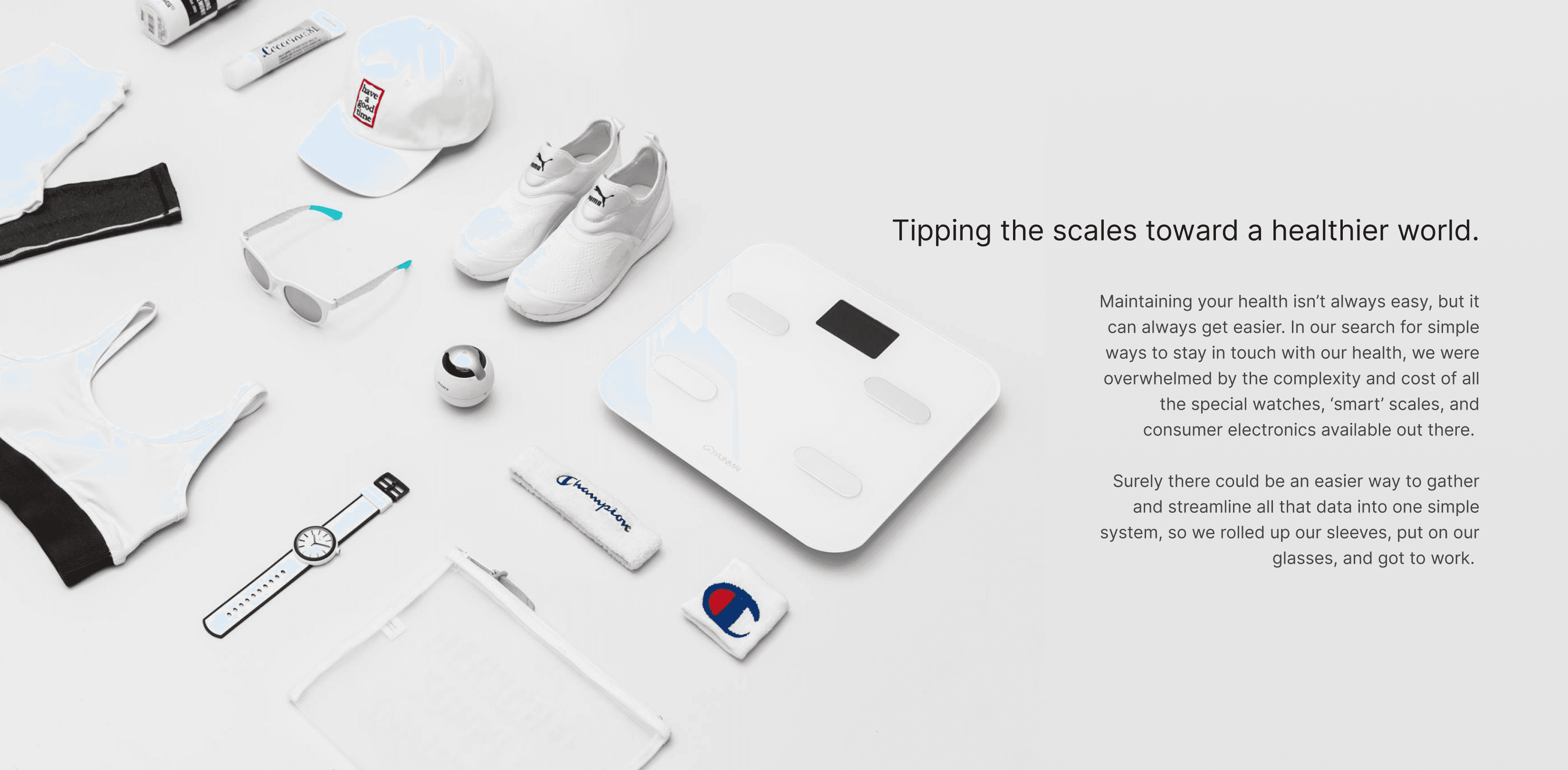
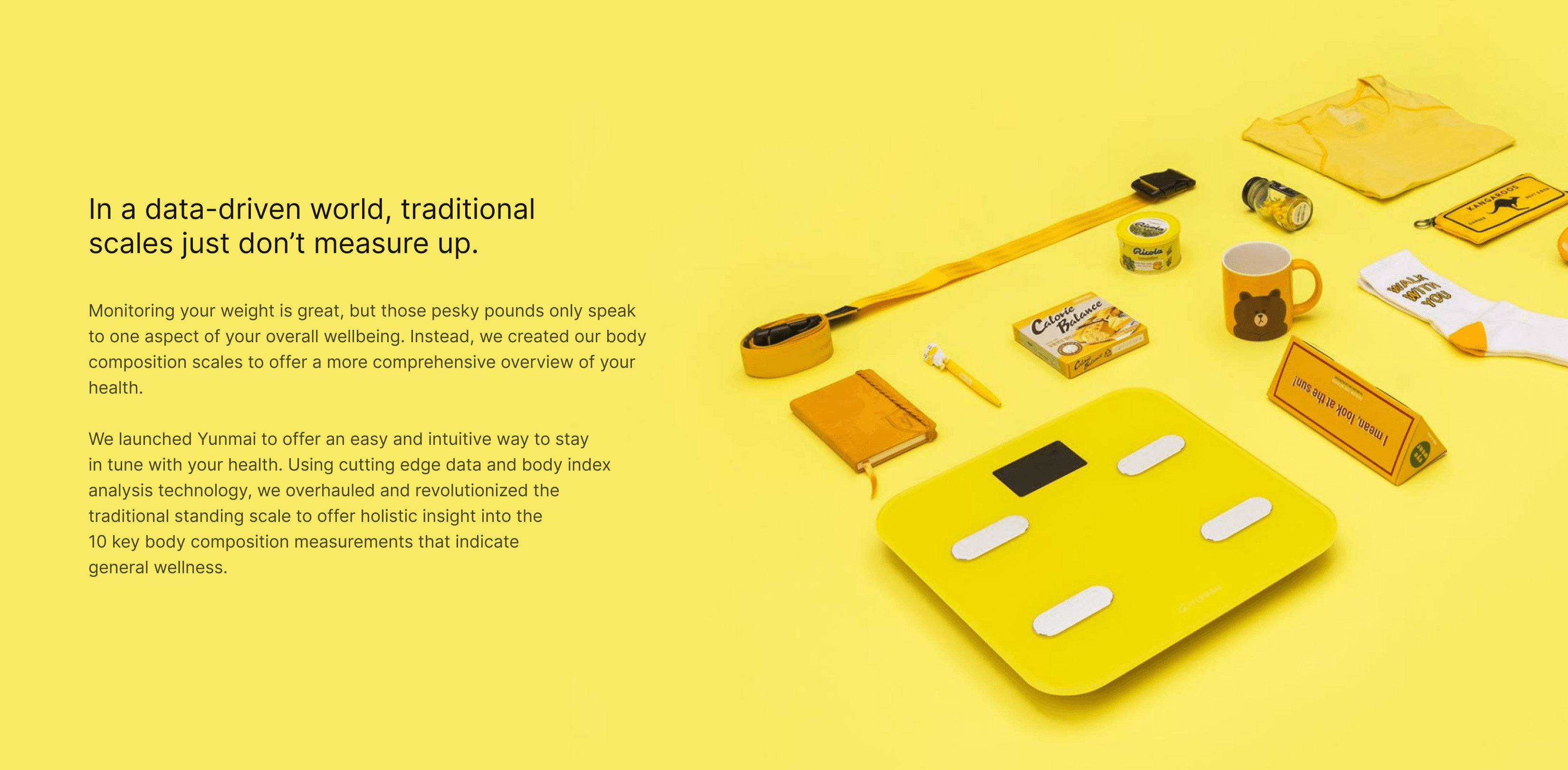
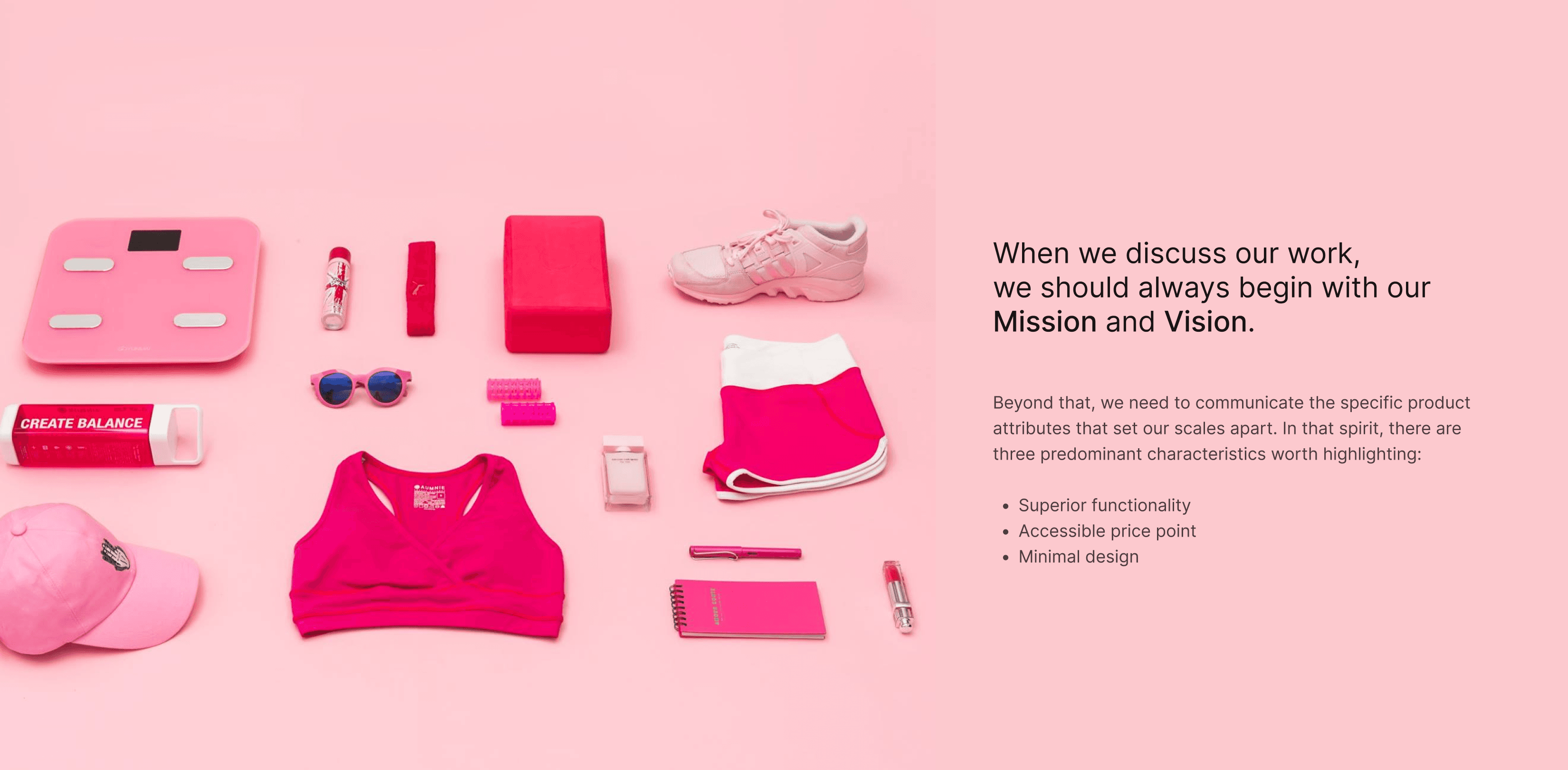
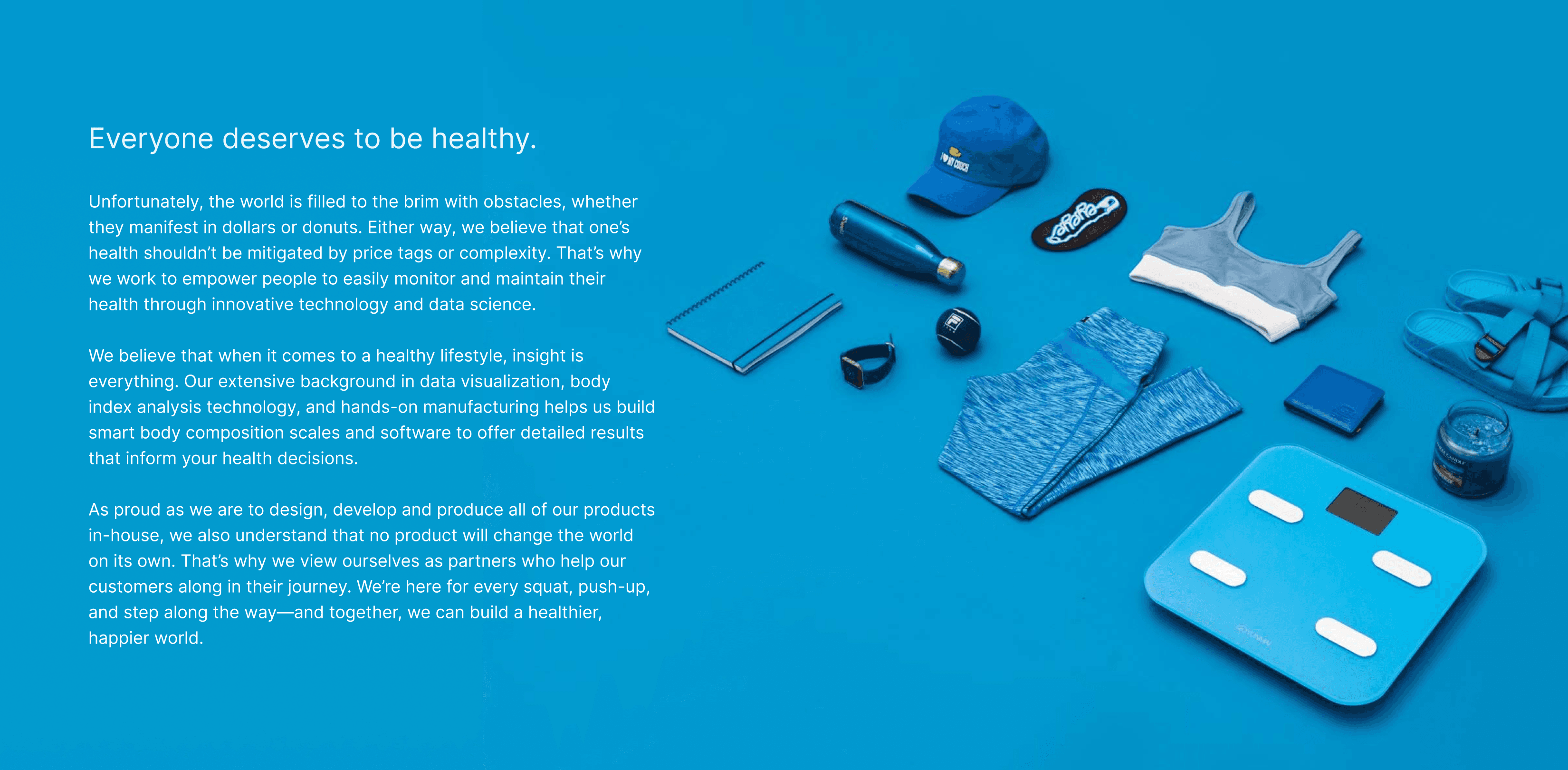
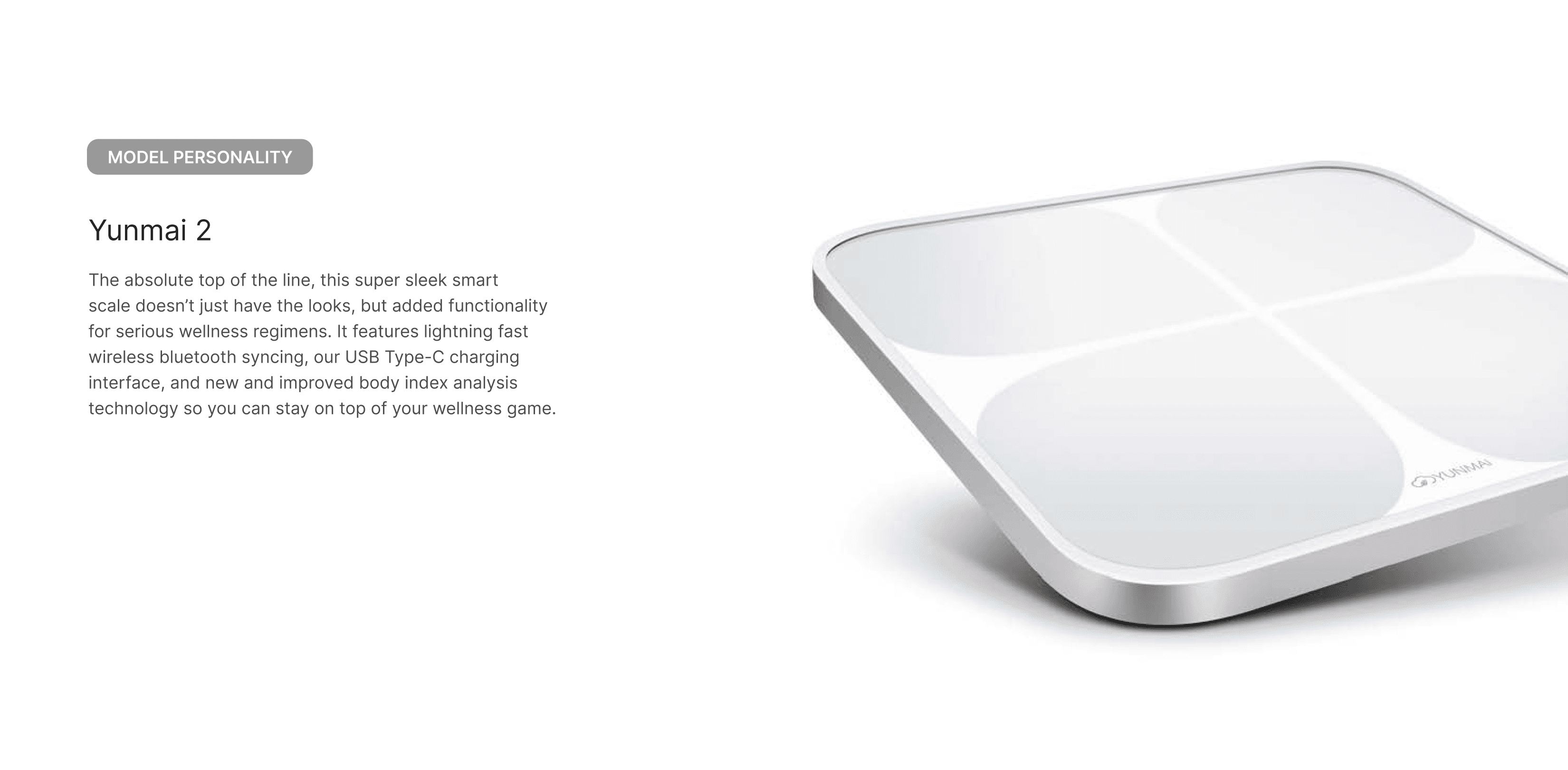
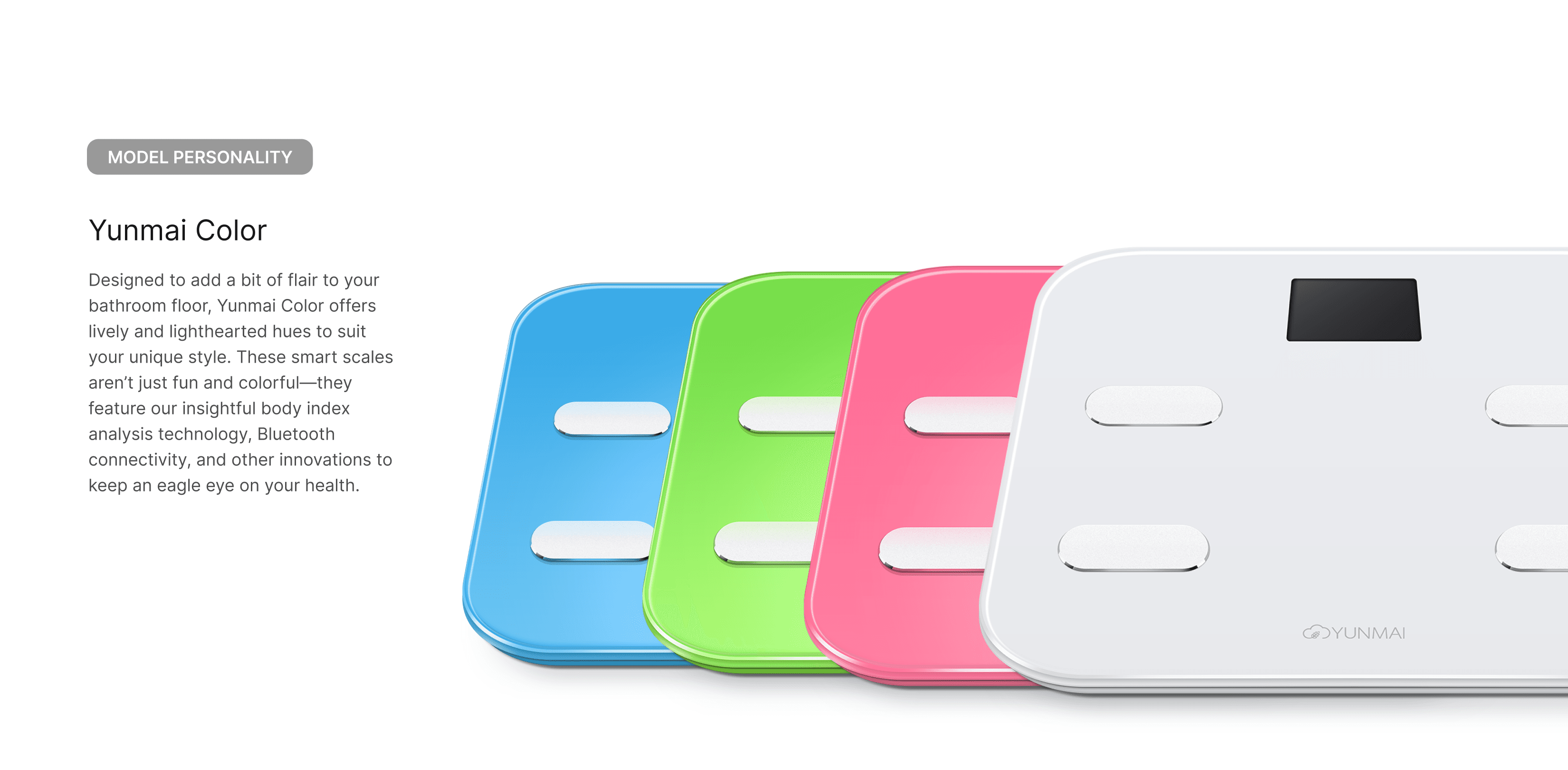
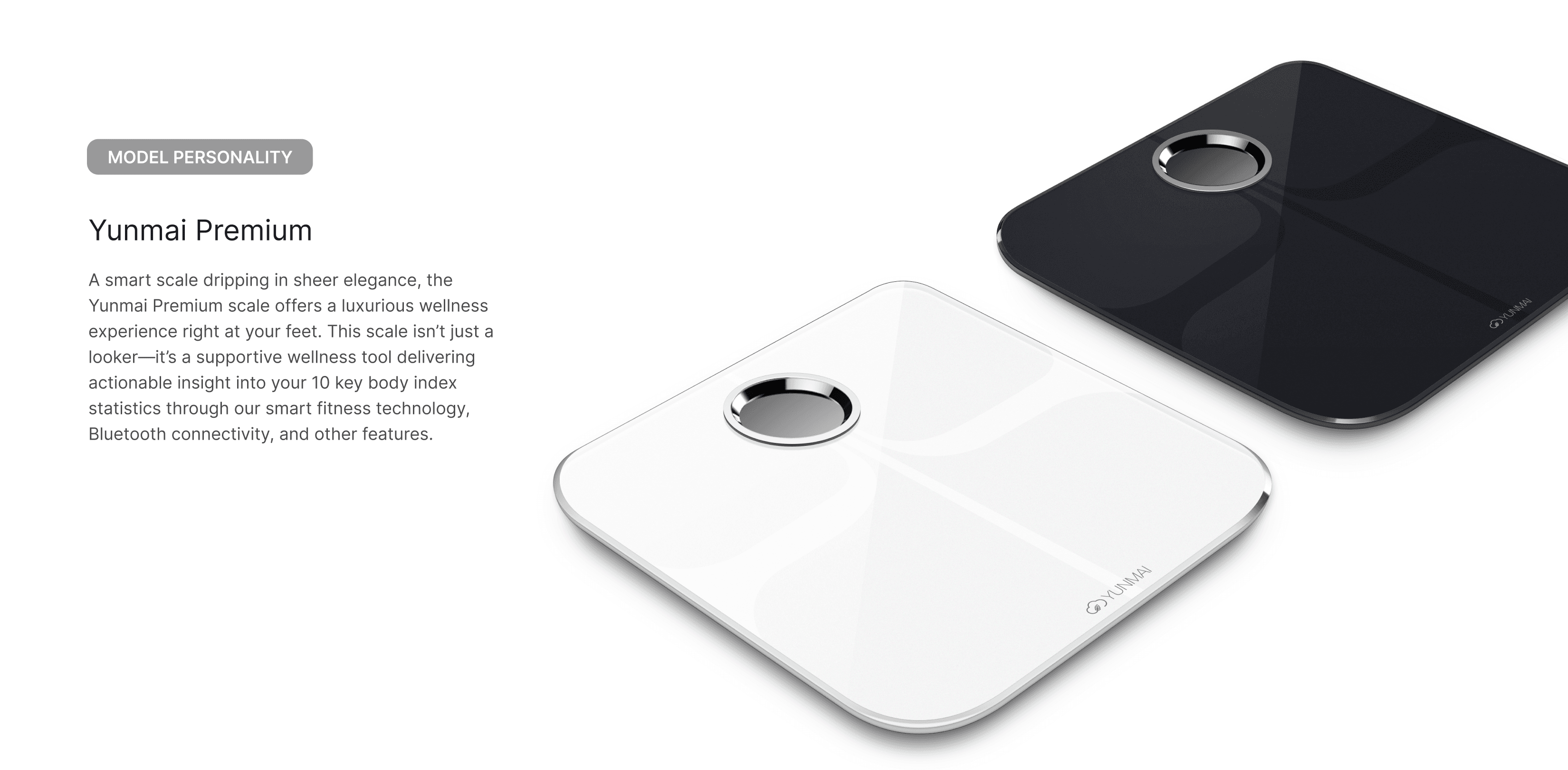
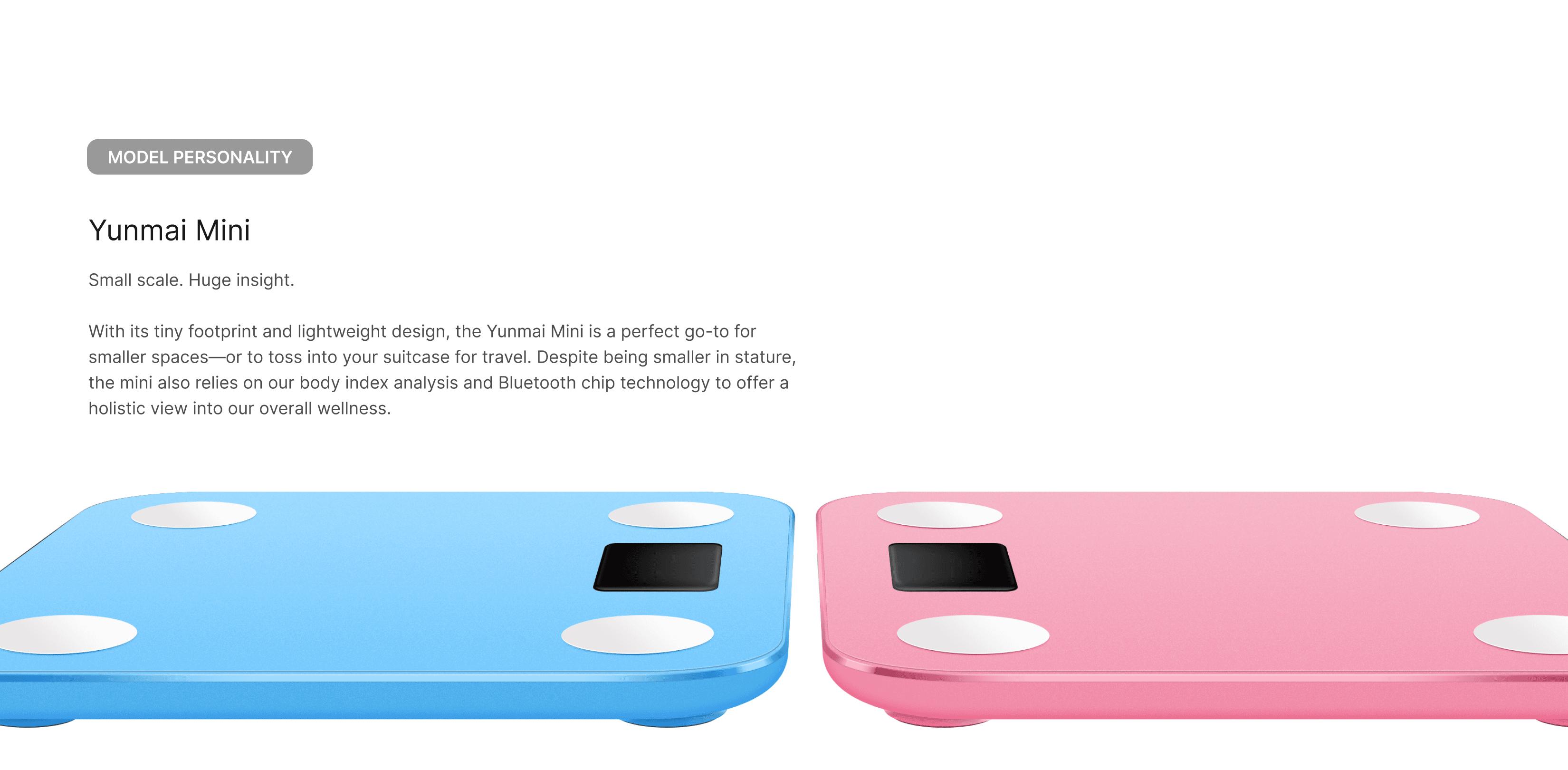
We also defined the model personalities so we could answer the question customers ask most: what's the difference between the models? Yunmai launched five products, each with a different positioning. The Color range was playful and expressive. The Premium was understated and elegant. The SE was pure functionalism. The design work let each feel distinctly itself while remaining unmistakably part of the same family — one underlying visual logic, five emotional registers.
Result
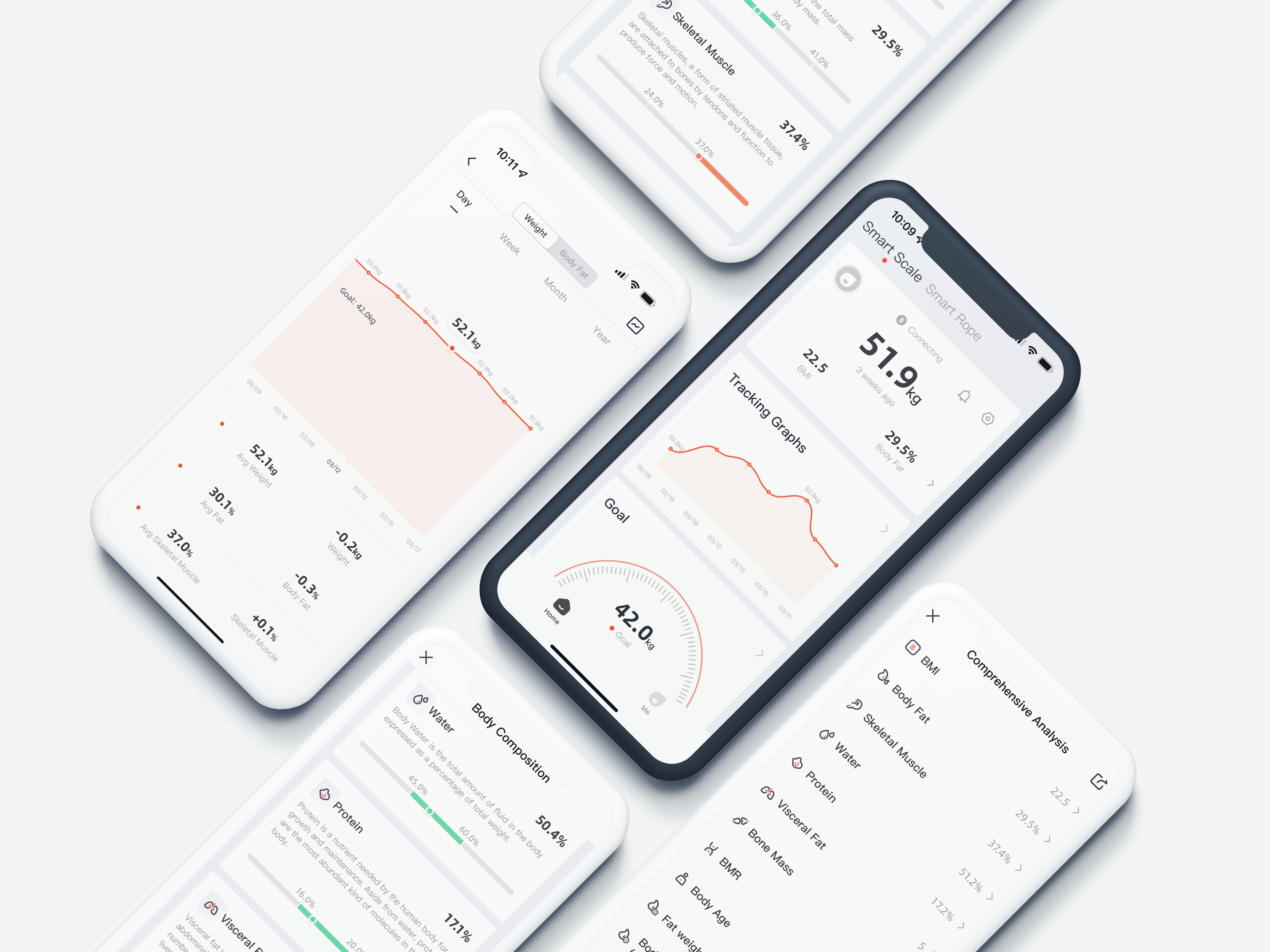
A fully localized North American brand and digital experience — Shopify website built from scratch, app adapted for Western wellness expectations, and creative direction across every customer touchpoint. One consistent brand voice, executed across five product lines.

Impact
#1 on Amazon US
Within 6 months of entering the US market, the Premium series outsold Fitbit to become the best-selling body-fat scale on Amazon US.
200%+ sales growth
North American sales more than tripled post-launch — the clearest signal that the repositioning, not just the product, was what had been holding the market back.
$70K+ in early revenue
The relaunch converted to real revenue fast, validating the new brand and experience commercially, not just qualitatively.